Hello, ,
As we approach the Resurrection of Jesus, it’s the perfect time to learn about three of the seven biblical feasts. There’s something
incredibly beautiful about seeing how these appointed times reveal the heart of God and the rhythm of His grace.
The word Moedim means “appointed times” in Hebrew. These were sacred moments God set on His calendar—festivals, gatherings, and seasons meant to draw His people closer to Him.
From the redemption story of Passover to the harvest celebration of Pentecost, to the joy of
Tabernacles, these feasts create a roadmap for a life of faith. They remind us that God’s plan isn’t random. There’s a rhythm to it—one that weaves through redemptive history while also gently guiding the details of our everyday lives.
When we explore these biblical feasts, something powerful
happens. Those ancient celebrations begin pointing straight to Jesus, and the meaning becomes even richer. The connections start to unfold throughout Scripture in ways many people have never noticed before.
Inside this course—and even in conversations within our Inner Circle coaching community—this is something
we often talk about: how understanding God’s patterns in Scripture brings deeper clarity to our faith today and helps us live out His Word.
The Spring Feasts
Right now is actually the perfect time to learn because the Spring Feasts are just around the corner. These are incredible opportunities to discover the meaning behind the seven biblical feasts—seeing which ones were fulfilled by Christ and which ones are still ahead.
Mark your calendars for these upcoming 2026 dates:
- Passover (Pesach): April 1st (Eve)
- Unleavened
Bread (Chag HaMatzot): April 2nd – 9th
- Firstfruits (Yom HaBikkurim): April 5th
There is something special about realizing these are appointments God Himself set.
And when we look at the life of Jesus, we see something fascinating—He was often found in the temple during these feast days.
1. The Feast of
Tabernacles (Sukkot)
John 7:14, 37
"But when it was now the middle of the feast, Jesus went up into the temple and began to teach... Now on the last day, the great day of the feast, Jesus stood and cried out, saying, 'If anyone is thirsty, let him come to Me and drink.'"
2. The Feast of Passover
(Pesach)
Luke 2:41–42, 46
"Now His parents went to Jerusalem every year at the Feast of the Passover. And when He became twelve, they went up there according to the custom of the feast... Then, after three days they found Him in the temple, sitting in the midst of the teachers, both listening to them and asking them questions."
3. The Feast of Dedication (Hanukkah)
John 10:22–23
"At that time the Feast of the Dedication took place at Jerusalem; it was winter, and Jesus was walking in the temple in the portico of Solomon."
All of this reminds us of something powerful: these biblical traditions were never just
history.
They help us understand our Savior more deeply.
And once those connections begin to come alive in Scripture, it becomes almost impossible to read the Bible the same way again.
I’d love to invite you to explore these feasts and see how God’s appointed times reveal His plan—and His heart—through Jesus.
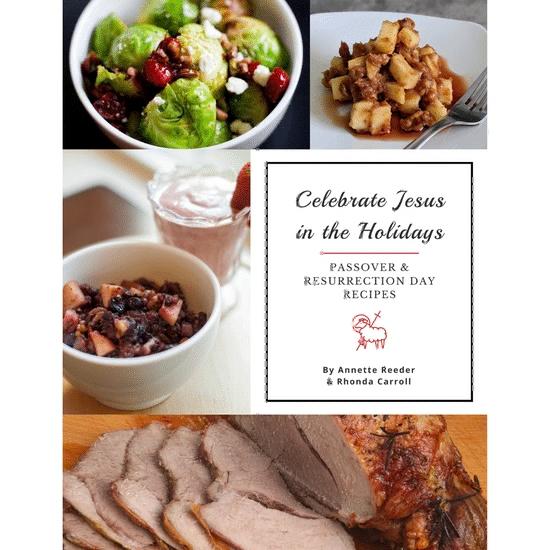
If learning about the biblical feasts is new to you, I have a special resource to help you connect the Old and New Testaments in a tangible way.
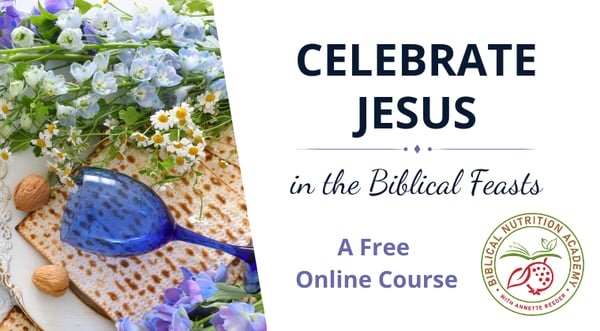
We are offering our FREE course: Celebrating Jesus in the Biblical Feasts to help you and your family dive into the history, the food, and the joyful traditions that point us back to Yeshua (Jesus).
[Click Below to Access the FREE Course!]